Engineering Services
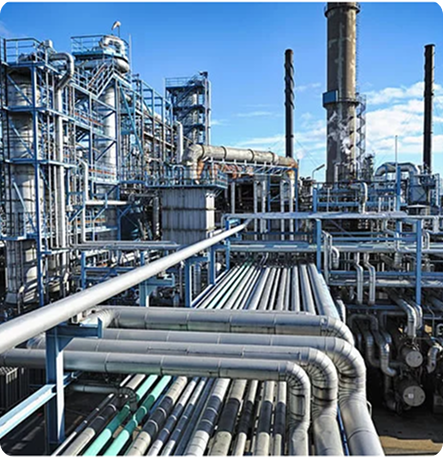
BOCOP Energy provides innovative engineering design services tailored for the energy sector. Our offerings include conceptual design, where we transform ideas into viable solutions, and detailed engineering, ensuring thorough documentation for seamless project execution. With advanced prototyping and testing capabilities, we refine designs for optimal performance.
Sewage Treatment Plant (STP) Solutions
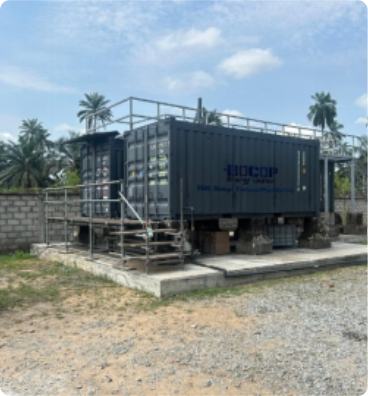
Our sewage treatment solutions utilize Membrane Bioreactor (MBR) technology, an advanced and highly efficient wastewater treatment process that combines conventional biological treatment with state-of-the-art membrane filtration. MBR systems represent one of the most effective technologies for achieving high-quality effluent suitable for safe environmental discharge or reuse applications.
Key Advantages of MBR Technology
Superior Effluent Quality: MBR systems consistently produce highgrade effluent with very low levels of suspended solids, BOD, COD, and pathogens. This makes it suitable for Landscape irrigation, Cooling tower makeup water, Toilet flushing, Safe environmental discharge and Industrial reuse.
Small Footprint & Compact Design: Because membrane filtration replaces large clarifiers, MBR plants require significantly less space—ideal for oil and gas facilities.
High Operational Efficiency: MBR technology offers enhanced biological stability, improved sludge quality, high tolerance to variable load conditions, and long membrane life when supported by proper cleaning and maintenance protocols.
Excellent Environmental Compliance: The MBR system meets and exceeds international environmental standards, making it suitable for companies committed to sustainable water management and zero discharge strategies.
Our Capabilities in MBR Sewage Treatment Plants
We provide end‑to‑end services covering the full lifecycle of MBR-based STP systems:
Engineering Design & Sizing: Custom solutions based on influent characteristics, site constraints, and project requirements.
Procurement & Supply of MBR Units: Leveraging strong technical partnerships with global OEMs to supply robust and energy‑efficient membrane systems.
Construction & Installation: Turnkey installation of MBR plants, including civil, mechanical, electrical, and instrumentation works.
Commissioning & Optimization
Performance testing, operator training, and optimization for long-term stable operation.
Operations & Maintenance: Scheduled maintenance, membrane cleaning, diagnostics, and remote monitoring services to ensure uninterrupted performance.
Fire and Gas (F&G) Alarm Intervention System
We carryout installation of a Fire and Gas Alarm Intervention System at critical assets, this ensures proper and early detection to warn and automatically respond to hazardous conditions such as fire outbreaks, combustible gas leaks, toxic gas releases, and abnormal environmental conditions within industrial, onshore, and offshore facilities.
Advantages of Fire and Gas (F&G) Alarm Intervention Systems
Enhanced Safety and Hazard Mitigation
- Provides early warning to prevent fire escalation or gas accumulation.
- Reduces risk to personnel by enabling quick evacuation and emergency response.
- Automatic and Timely Response
- Activates suppression systems and equipment shutdowns without human intervention.
- Minimizes reaction time, which is critical in emergency scenarios.
Comprehensive Detection Capabilities
- Detects flames, heat, smoke, toxic gases, and combustible gases using advanced sensors.
- Capable of simultaneous multipoint monitoring, ensuring full coverage of critical areas.
High System Reliability and Redundancy
- Built with failsafe design principles and multiple redundancy layers.
- Ensures continuous protection even under harsh environmental or operating conditions.
Integration with Other Safety Systems
- Communicates with ESD, DCS, PLCs, and suppression systems to coordinate holistic emergency response.
- Supports intelligent decision making through centralized monitoring.
Compliance with International Safety Standards
F&G systems adhere to standards such as:
- NFPA (National Fire Protection Association)
- IEC 61508 / IEC 61511 (Functional Safety)
- API RP 14C (Offshore Safety Systems)
- ISO 13702 (Control and Mitigation of Fires and Explosions)
This ensures conformity with global industry safety requirements.
Operational Continuity and Asset Protection
- Minimizes equipment damage by rapidly addressing fire and gas incidents.
- Protects high value assets, pipelines, machinery, and critical process equipment.
Reduced Insurance and Operational Risk
- Demonstrates strong risk management and reduces financial exposure.
- Often contributes to lower insurance premiums due to improved safety performance.
Suitable for Complex and Hazardous Environments
- Designed to operate reliably in offshore platforms, LNG facilities, refineries, and chemical plants.
- Resistant to harsh climates, vibrations, corrosive atmospheres, and explosive environments.
Supports Environmental Protection Efforts
- Prevents the release of hazardous gases into the atmosphere.
- Minimizes spills, fires, and environmental damage.
Integrated Control and Safety System (ICSS)
Bocop Energy Limited, as a forward-thinking player in Nigeria’s energy and oil & gas value chain, ensures you can operate in an environment where your system reliability, safety assurance, and operational efficiency are critical. To support sustainable growth and world-class operations, the deployment of an Integrated Control and Safety System (ICSS) provides a unified automation platform that enhances your production reliability, optimizes process performance, and ensures the highest level of safety for your personnel, assets, and the environment.
An Integrated Control and Safety System (ICSS) is a centralized automation framework that includes:
Distributed Control System (DCS): Used for normal process control operations such as pressure, temperature, flow, and level regulation.
Safety Instrumented System (SIS / ESD / HIPPS): Handles emergency shutdowns, high integrity protection, and safety instrumented functions.
Fire & Gas Detection System (F&G): Monitors combustible gases, toxic gases, heat, smoke, and flame detection.
Machinery Control & Protection Systems: Ensures safe operation of critical rotating assets—compressors, turbines, pumps. These systems communicate through a unified architecture while preserving the required independence of safety systems as defined by IEC 61511.
Integration is the foundation of modern industrial automation, that’s why Bocop Energy Limited integration implementation to your asset will provide the following:
Seamless data flow across subsystems: Operations, maintenance, engineering, and safety functions all share a common platform and visualization layer.
Reduced complexity and improved reliability: Instead of separate standalone systems, ICSS integrates control and safety using common engineering tools, networks, and HMIs.
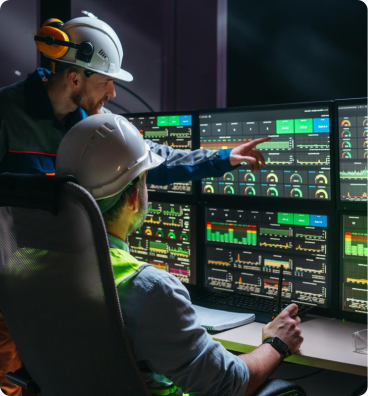
Faster decision-making: Operators can detect abnormal conditions early because the system provides consolidated alarms, trends, historical data, and diagnostics.
Operational efficiency: Integrated platforms reduce manual intervention, eliminate redundant hardware, and simplify lifecycle management.
Benefits of ICSS Fully Implemented by Bocop Energy Limited
Enhanced Operational Efficiency: Automation of routine processes reduces manual interventions and improves repeatability.
Improved Safety Performance: ICSS provides early detection and faster shutdown response during abnormal scenarios.
Asset Integrity & Reliability: Continuous monitoring of VFDs, compressors, pumps, turbines, and electrical systems help prevent failures.
Reduced Total Cost of Ownership (TCO): Integrated architecture reduces cabling, hardware footprint, and maintenance staffing requirements.
Better Decision Support: Consolidated data across operations, maintenance, and safety enables predictive maintenance and improved planning.
For Bocop Energy Limited, adopting or enhancing our Integrated Control and Safety System (ICSS) aligns with its strategic focus on improving operational excellence, safety compliance, and long-term asset sustainability. The integration of systems—exemplified through control and monitoring of VFDs—demonstrates how modern automation technologies optimize performance while safeguarding personnel and the environment.
A well engineered ICSS will position your asset for scalable growth, improved reliability, and readiness for digital transformation initiatives such as predictive analytics, remote operations, and energy optimization.
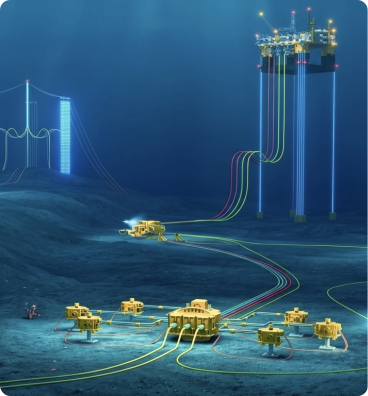
Subsea Engineering Services
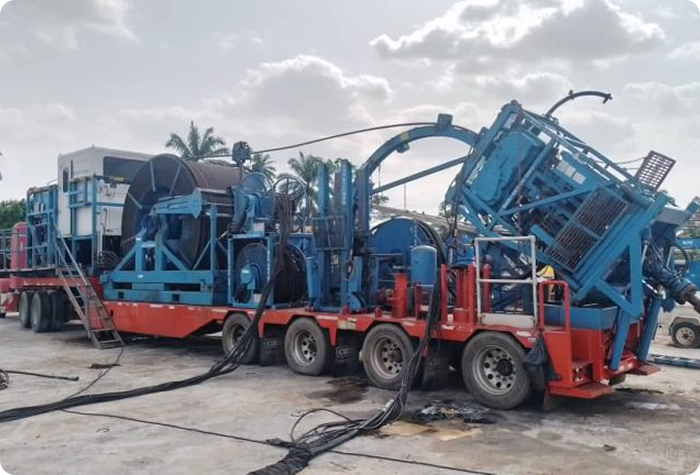
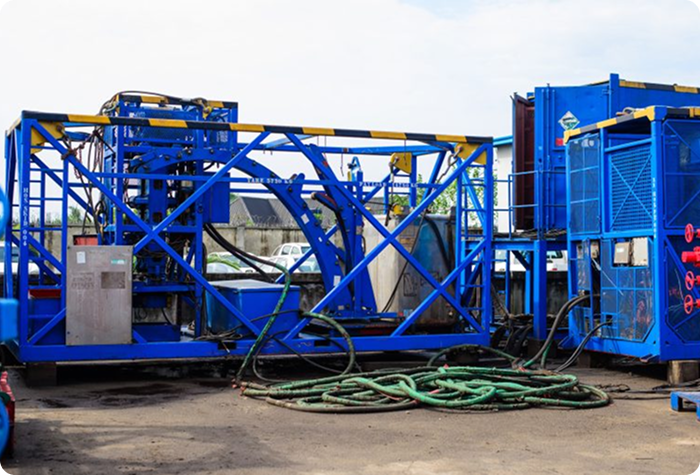
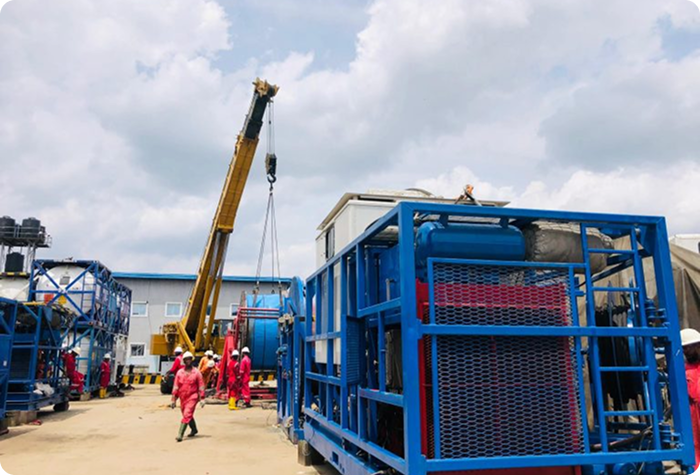
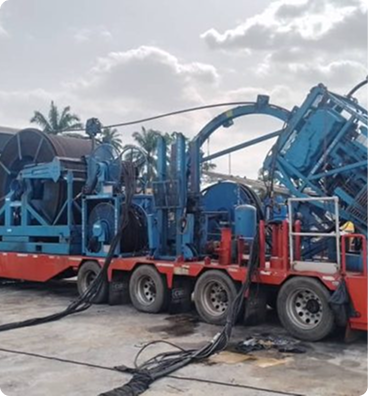
We provide specialised subsea engineering and umbilical services covering the design, installation, testing, commissioning, and full lifecycle maintenance of subsea production systems. Our expertise spans subsea structures, SURF (Subsea Umbilicals, Risers & Flow-lines), subsea control systems, and critical interface management for offshore field developments.
By leveraging the advanced technologies and proven capabilities of our reliable technical partners, we deliver industry leading engineering solutions that ensure safe, efficient, and high performance offshore operations. Our teams combine strong local competence with global technical standards, enabling us to execute complex subsea scopes with precision, reliability, and operational excellence.
Our Subsea Engineering Services and Equipment Procurement activities typically includes the following:
Subsea Production Systems (SPS)
• Subsea Trees (Xmas Trees): Valves, sensors, and fittings installed on top of a wellhead to control production, including horizontal and vertical trees.
• Wellheads: Structure supporting casing, tubing hangers, and production trees while providing a pressure-containing barrier.
• Manifolds: Structures that commingle and direct produced fluids from multiple wells into flowlines, ranging from simple PLEM (Pipeline End Manifolds) to complex structures.
• Templates: Structures placed on the seabed to guide the drilling of wells and support manifolds.
• Subsea Pumps & Boosters: Equipment used to increase the pressure of produced fluids for transport.
• Subsea Separation Systems: Units that separate gas, oil, and water at the seabed.
Umbilicals, Risers, and Flowlines (SURF)
• Umbilicals: Cables supplying electric power, hydraulic power, and chemicals, while providing communication between the topside facility and subsea equipment.
• Subsea Risers: Pipelines that transport fluids from the seabed to the surface facility.
• Flowlines & Jumpers: Rigid or flexible pipes that transport production from the tree to the manifold or pipeline.
• Subsea Distribution Units (SDU): Hubs that distribute hydraulic, chemical, and electrical signals from the umbilical to specific equipment.
• Pipeline End Terminations (PLET): Used to connect a pipeline to a jumper or directly to a manifold.
Controls and Instrumentation
• Subsea Control Modules (SCM): “Brains” of the subsea system, managing hydraulics and electronics to operate tree valves, chokes, and downhole sensors.
• Sensors: Devices for monitoring pressure, temperature, and detecting leaks.
• High-Integrity Pipeline Protection Systems (HIPPS): Protective systems to prevent overpressure of pipelines.
• Subsea Isolation Valves (SSIV): Valves used to isolate pipelines in emergencies.
Intervention and Specialised Equipment
• ROV Intervention Tooling: Equipment designed to be operated by Remotely Operated Vehicles (ROVs) for maintenance.
• IWOCS (Installation and Work-over Control System): Equipment for controlling subsea trees during installation or intervention.
• Connectors and Clamps: Mechanical connectors (e.g., collet, clamp type) for connecting pipelines and structures.
Other Components
• Subsea Connectors and Couplers: Hydraulic and electrical connectors (MQC – Multi Quick Connect).
• Corrosion Control Products: Anodes and cathodic protection systems.
• Buoyancy Modules: Used to manage buoyancy on risers and cables.
• Subsea Data Center (UDC): Server modules designed for underwater operation.
Our solutions strengthen subsea asset integrity, optimise field connectivity, and support continuous, uninterrupted energy production across all subsea environments—from shallow water fields to deepwater operations.
We are fully equipped to support the entire subsea scope of your FPSO (Floating Production, Storage and Offloading) field development. We provide the engineering, procurement, and operational support required to ensure seamless integration between subsea systems and topside processing facilities. Our services are designed to minimise downtime, assure production continuity, and extend the life of your offshore assets.