FEATURES
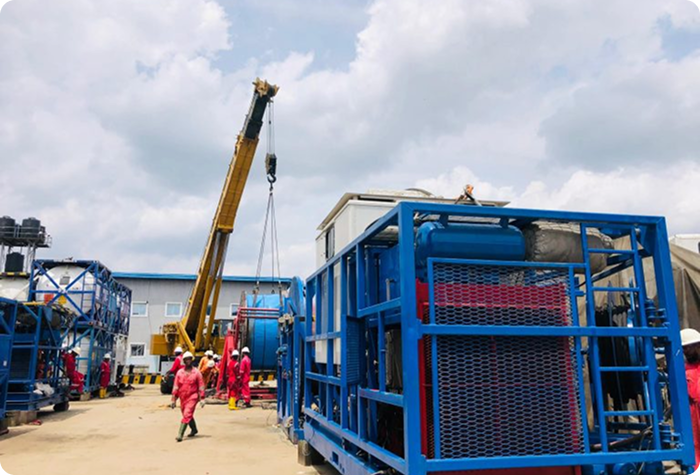
This unit is designed with a maximum instantaneous pull capacity of 60,000 lbs and is configured in a skid-mounted arrangement suitable for multi-terrain operations. The unit incorporates a skid-mounted power pack and operator cabin, providing operational flexibility for both land and offshore deployment. Additionally, the integrated skid frame allows transportation of associated accessories as a single package, enabling improved logistics management, organized equipment layout, and efficient rig-up operations.
FEATURES
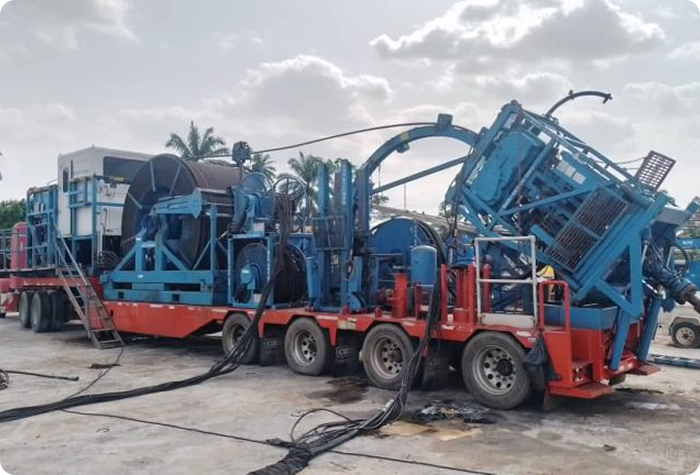
The BOCOP Rig 60K unit offers dual deployment capability, allowing operation in trailer-mounted configuration for rapid mobilization across onshore locations, while also being modularized into skid packages for offshore applications. The unit has a maximum instantaneous pull capacity of 60,000 lbs and features a combined power pack and control cabin design, optimizing deck space utilization and minimizing lifting requirements during mobilization and demobilization activities. Furthermore, the integrated hydraulic hose reel system enhances operational efficiency by significantly reducing rig-up and rig-down time.
FEATURES
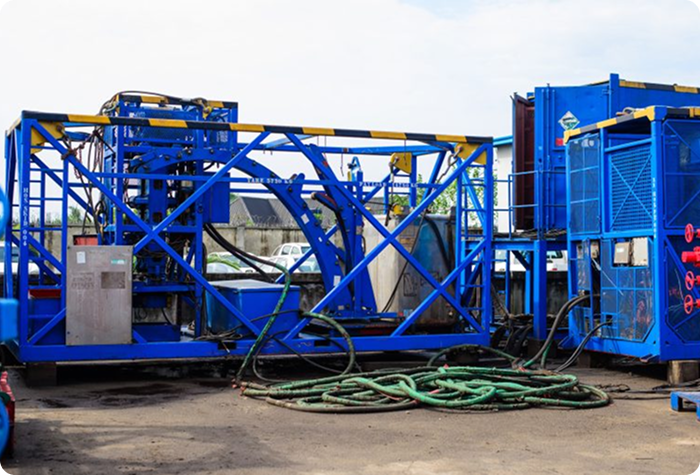
The BOCOP 80K skid-mounted CT unit is engineered with a maximum instantaneous pull capacity of 80,000 lbs, making it suitable for heavy-duty intervention operations. The unit features a composite power pack and operator cabin configuration designed to optimize available workspace and minimize the number of lifts required during transportation and installation. Its integrated hydraulic hose reel system further improves operational efficiency by reducing overall rig-up timelines and simplifying field deployment.